Reusable Period Product Rebate
As part of the Council Cares initiative, we want to support councils to implement a reusable period product rebate. To assist, we’ve pulled together what you need to know to get started!
What is a Period Product Rebate?
A period product rebate incentivises residents to buy reusable period products by offering partial reimbursement. It typically covers period underwear, menstrual cups and discs, reusable pads, and incontinence aids. Rebates program structures may vary and might be available annually, one-time per household or individual, or capped to a certain amount.

Why offer a rebate?
Reusable period products are increasingly popular for their environmental benefits and sustainability. However, the initial cost remains high despite lower prices and greater availability.
By introducing a rebate, we reduce the overall cost to the individual, making these products more affordable for residents to invest in. Lasting between 3-5 years, reusable products support a sustainable future and reduce the need for single use period products, meaning less waste going to landfill.
We know it can be a challenge to get the support, budget and momentum for new initiatives- if that’s the case, perhaps you could consider setting up a pilot or trial program initially. You’ve seen your local stats and how your residents are struggling, now is the time to create change. We are confident you will quickly see the positive impact of implementing a rebate.
Benefits of Implementing a Rebate
ENVIRONMENTAL IMPACT
Reduces waste from disposable/single use products, which take hundreds of years to decompose. Less waste going to landfill!
COST SAVINGS
Over time, reusable products are more cost-effective than disposable/single use products and they can be reused for between 3-5 years.
HEALTH BENEFITS
There are a variety of different reusable products designed to support menstruators with managing their period long term-safely, hygienically and with dignity.
CONVENIENCE
Reusable products, like menstrual cups, can be worn for longer periods, reducing the need for frequent changes.
COMMUNITY SUPPORT
Demonstrates a commitment to supporting residents’ health and well-being while promoting sustainable practices.
Example of a Rebate
There are many councils across Australia leading the way by offering rebates for reusable period products. We understand there is no one size fits all approach. To support you to create a program that works for your Council, we have included key information on this page. An ideal rebate would:
Include all types of reusable period products
Be able to be applied for at least annually by an individual.
Reimburse the individual – at least $50 ideally up to $150.

Be easily accessible.
e.g. an online form with the rebate electronically reimbursed.
How much do reusable period products cost?
Depending on the brand, type, absorbency and the individual’s needs, the cost will vary. The below table is a guide and based on an average cost. From time-to-time products may go on sale or be able to be purchased in a bundle. It is important to note that people may elect to use a variety of products to manage their period e.g. a Menstrual Cup and Period Underwear.
The below may help inform you of the amount of your rebate.
| Item | Quantity Required | Avg. Cost |
|---|---|---|
| Period Underwear | 5-8 pairs of underwear | $25 – $50ea |
| Menstrual Cups/Discs | 1 cup or disc | $20 – $50ea |
| Reusable Pads | 5-8 individual pads – varied absorbency | $10 – $30ea |
| Incontinence Underwear | 5-8 pairs of underwear | $30 – $70ea |
| Incontinence Pads | 5-8 individual pads – varied absorbency | $10 – $30ea |
| Wet Bag or Wash Bag | 1 bag | $3 – $10ea |
What to Consider
We’ve outlined 3 key steps required to set up a rebate.
Find more information about each below.
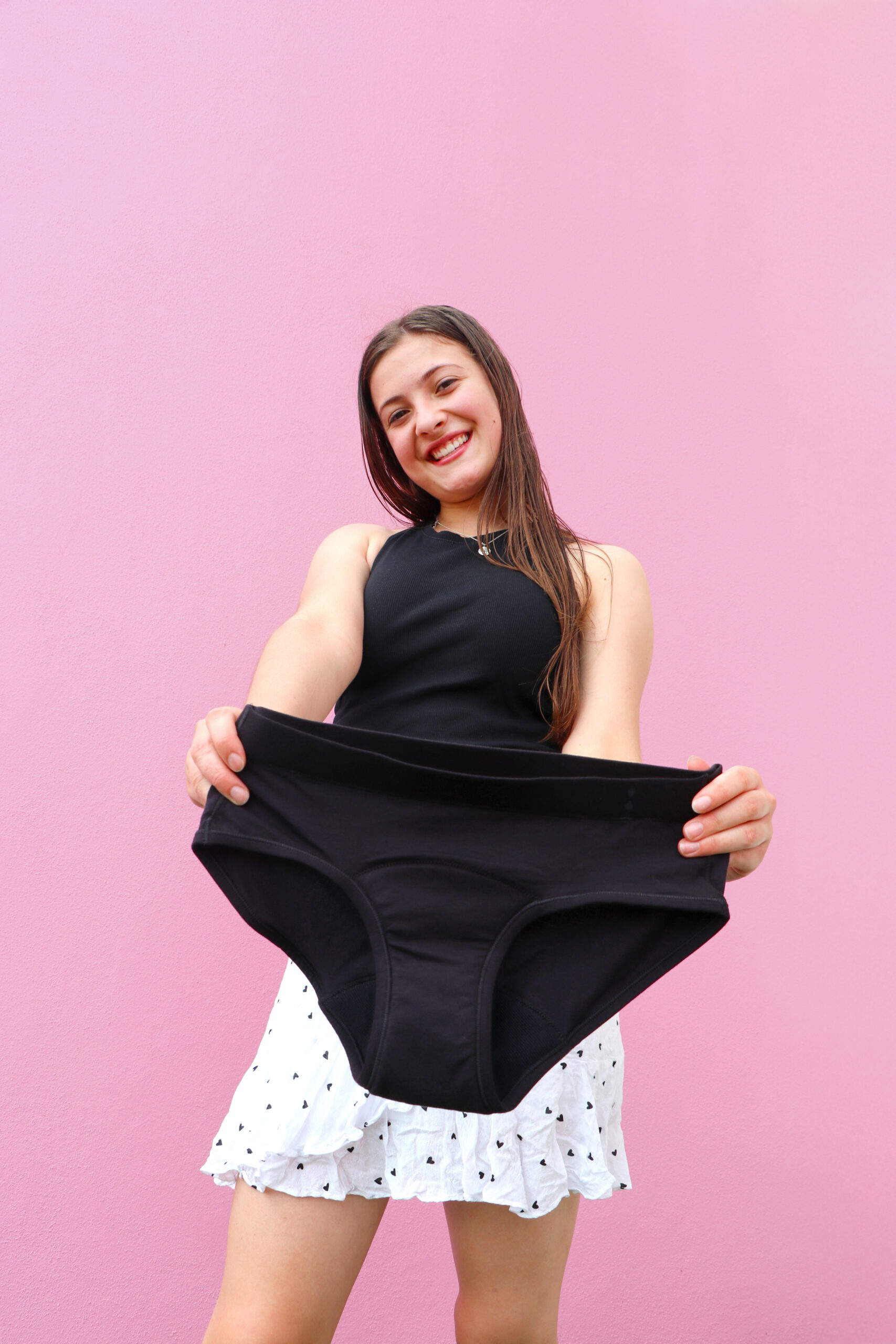
Step 1: Outline Product Eligibility
Determine what products are included in the rebate. We recommend:
- Reusable period underwear
- Reusable pads
- Menstrual cups
- Menstrual discs
- Reusable incontinence underwear
- Reusable incontinence pads
- Wet bags or Wash bag (optional)
Step 2: Evaluate Financial and Environmental Impact
Establish the cost and benefit. Consider that a single menstruator may use over 300 disposable/single-use products annually and the positive impacts of reducing this.
FINANCIAL SAVINGS
Calculate potential savings for residents and the Council by reducing the need for disposable/single use period products. Consider the longevity of reusable products (3-5 years) and their cost-effectiveness over time.
ENVIRONMENTAL BENEFITS
Assess the positive impact of diverting single-use products from landfill. Calculate the potential reduction in waste- how many tonnes of waste would be diverted? What is the potential impact on emissions?
BUDGET
Determine the cost of the rebate by estimating the number of eligible menstruators in your council area (menstruation may occur between ages 8-50). You may also like to use Census data to support your projections. It may be that you elect to have a fixed budget/allocation for the program.W
Step 3: Establish Rebate Criteria
Set up for success by clearly defining the program.
STRUCTURE OF THE REBATE
What is the rebate? Options may include:
- Fixed Percentage: Reimburse a fixed percentage (e.g. 50%) of the cost, up to a capped amount.
- Fixed Amount: Reimburse up to a fixed amount (e.g. $100).
EVIDENCE AND INFORMATION REQUIRED
What is required to claim the rebate?
- Proof of Residency: Acceptable evidence includes rates notice, registered address on license, utility bill, or rental agreement.
- Receipt: Must include proof of purchase, date, business name, ABN/ACN, amount paid, and GST.
- Timeliness: Claims must be made within 3 months of purchase or within the same financial year.
- Additional Information: Collect name, email, and other contact information. Some councils like to gather feedback on the rebate’s impact and/or to confirm eligibility to claim
OTHER CONSIDERATIONS
- Claim Process: Reimbursement via electronic transfer after online form submission, or in-person at Customer Service Office.
- Frequency: Eligibility can be once-off, annual, or bi-annual. At minimum, we suggest you provide eligibility for every menstruator once-off.
- Maximum Allocation: include terms for a maximum budget/allocation to ensure the budget is not exceeded.h
Ongoing Support for Your Program
Once you have a reusable period product rebate program up and running, it is important to get the word out so that your residents can access the rebate. We recommend the following:
- Promote the initiative via your social media and email lists
- Include a short article in your council mailout or newsletter/s
- Place informative/educational flyers in council buildings with QR codes to learn more
- Encourage Council health workers to promote the program e.g. Community Nurses /Maternal Child Health Nurses/Social Workers etc
- Include information about the Menstruation Education Hub in all promotions- provide access to vital resources and information to support your residents to understand and manage their period
- Access the pre-developed tools, posters, social tiles and other resources we have created to promote being involved in the Council Cares program
Want Support to Implement?
If you would prefer to have assistance from an external provider to establish a reusable period product rebate, you may wish to connect with Rebately. Rebately provide a platform for councils to offer rebates allowing residents to quickly and easily submit claims.
We Already Have a Rebate
Thank you for making a positive impact on your community and the environment! We challenge you to consider if there are opportunities to enhance your current program including:
- Could you increase the cap or maximum rebate amount?
- Is there an opportunity to provide greater access to the rebate e.g. could it be claimed annually?
- Can you promote the initiative to increase engagement i.e. make more residents aware of the rebate?
- Can you make it easier for residents to claim the rebate- perhaps streamline your process so it is automated?
- Does your rebate include incontinence aids and newer reusable options like discs?